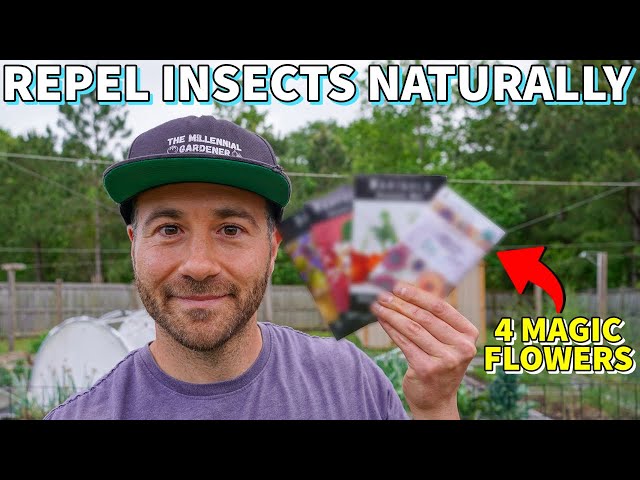
Landscaping your yard for natural pest control is a practice that utilizes specific plants and landscaping techniques to deter or eliminate pests from your yard or garden without relying on chemical pesticides. This approach not only benefits the environment but also promotes a healthier, more sustainable ecosystem in your outdoor space.
By incorporating pest-repelling plants, such as marigolds, lavender, or basil, into your landscaping, you can create a natural barrier against common pests like aphids, mosquitoes, or rodents. These plants release scents or compounds that pests find unappealing, effectively deterring them from entering your yard. Additionally, planting a diverse range of species helps attract beneficial insects and wildlife, which can prey on or parasitize pests, further reducing their populations.
Beyond plant selection, proper yard maintenance also plays a crucial role in natural pest control. Regularly removing weeds, pruning overgrown plants, and keeping your yard clean of debris eliminates hiding places and food sources for pests. Furthermore, implementing water management strategies, such as proper drainage and avoiding excessive watering, helps prevent moisture-loving pests like mosquitoes or slugs from thriving in your yard. By embracing these natural pest control methods, you can create a vibrant, thriving outdoor space that minimizes the need for harmful chemicals while fostering a balanced ecosystem.
How to Landscape Your Yard for Natural Pest Control
Creating a pest-free yard naturally involves considering several key aspects:
- Companion Planting: Planting mutually beneficial species together to deter pests.
- Plant Selection: Choosing plants with natural pest-repelling properties.
- Diversity: Incorporating a variety of plant species to attract beneficial insects.
- Yard Maintenance: Removing weeds, pruning, and keeping the yard clean to eliminate pest habitats.
- Water Management: Avoiding excessive watering and ensuring proper drainage to prevent moisture-loving pests.
These aspects work synergistically to create a healthy ecosystem that naturally suppresses pests. For instance, planting marigolds near tomatoes repels aphids and nematodes, while a diverse mix of native plants attracts ladybugs and other beneficial insects that prey on common garden pests. Proper yard maintenance eliminates hiding places for pests like rodents and reduces mosquito breeding grounds by removing standing water. By implementing these principles, you can create a thriving outdoor space that minimizes the need for harmful chemical pesticides while promoting a balanced ecosystem.
Companion Planting
In the context of natural pest control landscaping, companion planting plays a crucial role in deterring pests and promoting a healthy ecosystem. This technique involves planting mutually beneficial species together to create a symbiotic relationship that provides advantages to both plants and the overall yard environment.
One well-known example of companion planting is the combination of marigolds and tomatoes. Marigolds release a scent that repels aphids and other common tomato pests, while the tomatoes provide shade for the marigolds, helping them thrive. Another effective combination is planting basil next to tomatoes and peppers. Basil repels flies, mosquitoes, and hornworms, protecting these vegetables from damage.
The benefits of companion planting extend beyond pest control. For instance, planting nitrogen-fixing plants, such as beans or clover, near heavy feeders like corn or tomatoes can help improve soil fertility and reduce the need for synthetic fertilizers. Additionally, companion planting can attract beneficial insects and pollinators, further enhancing the ecological balance of your yard.
Incorporating companion planting into your natural pest control landscaping strategy is a simple yet effective way to create a thriving, resilient outdoor space. By carefully selecting mutually beneficial plant combinations, you can deter pests, improve plant health, and promote a harmonious ecosystem in your yard.
Plant Selection
In the realm of natural pest control landscaping, selecting plants with inherent pest-repelling properties is a fundamental strategy for creating a healthy, pest-free yard. These plants possess specific characteristics or produce compounds that deter or repel common pests, reducing the need for chemical pesticides and promoting a balanced ecosystem.
- Pest-Repellent Scents: Many plants release strong scents that insects and other pests find unappealing. For example, lavender, rosemary, and peppermint emit fragrances that repel mosquitoes, flies, and aphids, creating a natural barrier around your yard.
- Toxic Compounds: Some plants produce natural toxins or compounds that are harmful to pests. Marigolds, for instance, contain pyrethrum, an insecticide that effectively repels aphids, thrips, and other insects.
- Physical Barriers: Certain plants have physical characteristics that make them less attractive to pests. For example, fuzzy or hairy leaves can deter insects from landing and feeding, while prickly or thorny plants create a physical barrier that pests avoid.
- Companion Planting: Planting certain species together can create a synergistic effect that enhances pest resistance. For instance, planting garlic or onions near roses helps repel aphids and other common rose pests.
By carefully selecting plants with natural pest-repelling properties and incorporating them into your landscaping design, you can create a vibrant, thriving outdoor space that minimizes the need for harmful chemical pesticides while promoting a healthy ecosystem. These plants not only deter pests but also contribute to the overall aesthetic and ecological balance of your yard.
Diversity
In the context of natural pest control landscaping, incorporating a variety of plant species is crucial for attracting beneficial insects that play a vital role in keeping pests in check. A diverse ecosystem provides a range of habitats, food sources, and nesting sites for beneficial insects, such as ladybugs, lacewings, and parasitic wasps.
These beneficial insects feed on common garden pests, such as aphids, caterpillars, and scale insects, helping to control their populations naturally. For instance, ladybugs are voracious predators of aphids, while lacewings feed on a variety of soft-bodied insects, including aphids, mealybugs, and whiteflies. By providing a diverse range of plants, you create a welcoming environment for these beneficial insects, enhancing their presence in your yard and promoting a balanced ecosystem.
Moreover, a diverse plant community fosters a healthier environment overall. Different plant species have varying nutrient requirements, root structures, and water needs, which contributes to soil health, water retention, and nutrient cycling. This, in turn, benefits all plants in your yard, including the beneficial insects that rely on them for food and shelter.
Incorporating a variety of plant species into your natural pest control landscaping strategy is a simple yet effective way to create a thriving, resilient yard. By providing a diverse and welcoming habitat for beneficial insects, you can reduce the need for chemical pesticides, promote a healthy ecosystem, and enjoy a vibrant outdoor space.
Yard Maintenance
In the context of natural pest control landscaping, proper yard maintenance plays a crucial role in eliminating pest habitats and reducing their populations. Pests often rely on weeds, overgrown plants, and debris to find shelter, food, and breeding grounds. By implementing regular yard maintenance practices, you can significantly reduce their presence and create a less hospitable environment for pests.
- Weed Removal: Weeds provide hiding places and food sources for many common pests, such as rodents, insects, and snails. Regularly removing weeds from your yard, especially around the perimeter and near structures, helps eliminate these potential pest havens.
- Pruning: Overgrown plants and shrubs create dense areas that provide shelter for pests. Pruning overgrown vegetation allows for better air circulation and sunlight penetration, making it less attractive to pests and reducing their hiding places.
- Yard Cleanliness: Debris, such as fallen leaves, grass clippings, and other organic matter, can attract pests and provide them with nesting and breeding sites. Regularly cleaning your yard and removing debris helps eliminate these potential pest attractants.
- Water Management: Standing water can attract mosquitoes and other moisture-loving pests. Ensure proper drainage in your yard to prevent water from accumulating and creating breeding grounds for these pests.
By implementing these yard maintenance practices, you can significantly reduce the presence of pests in your yard, creating a healthier and more enjoyable outdoor space. Regular yard maintenance complements other natural pest control strategies, such as companion planting and attracting beneficial insects, to create a comprehensive approach to pest management.
Water Management
In the context of natural pest control landscaping, water management plays a crucial role in preventing moisture-loving pests from thriving in your yard. Excessive watering and poor drainage can create an ideal environment for pests like mosquitoes, slugs, and snails, leading to infestations and potential damage to your plants.
- Avoiding Excessive Watering: Overwatering your yard not only wastes water but also creates moist conditions that attract pests. Water your plants deeply but infrequently, allowing the soil to dry out slightly between watering sessions. This helps prevent waterlogging and reduces the likelihood of pest infestations.
- Ensuring Proper Drainage: Proper drainage is essential for preventing standing water in your yard, which can serve as breeding grounds for mosquitoes and other pests. Ensure that your yard slopes away from structures and that there are no low-lying areas where water can accumulate. You may consider installing drainage systems, such as French drains or dry wells, to improve water flow and prevent waterlogging.
- Eliminating Moisture-Hiding Spots: Regularly remove fallen leaves, grass clippings, and other organic debris from your yard, as these can retain moisture and attract pests. Keep your yard clean and free of clutter to reduce potential hiding places for moisture-loving pests.
- Using Drought-Tolerant Plants: Incorporating drought-tolerant plants into your landscaping can help reduce the need for excessive watering and minimize the risk of attracting moisture-loving pests. Choose plants that are adapted to your local climate and require less frequent watering.
By implementing these water management practices, you can create a less hospitable environment for moisture-loving pests, reducing their presence in your yard and promoting a healthier ecosystem. Water management complements other natural pest control strategies, such as companion planting and attracting beneficial insects, to create a comprehensive approach to pest management.
FAQs on Landscaping for Natural Pest Control
Landscaping for natural pest control is a multifaceted approach to pest management that utilizes specific plants, landscaping techniques, and yard maintenance practices to deter or eliminate pests without relying on chemical pesticides. Here are answers to some frequently asked questions about this eco-friendly approach:
Question 1: How does companion planting help with natural pest control?
Companion planting involves strategically placing mutually beneficial plant species together to create a symbiotic relationship. Certain plants release scents or compounds that repel common pests, while others attract beneficial insects that prey on these pests. By carefully selecting companion plants, you can create a natural defense system against a variety of pests.
Question 2: What types of plants are effective for natural pest control?
Many plants possess natural pest-repelling properties. Some common examples include marigolds, lavender, basil, peppermint, and rosemary. These plants release strong scents or produce compounds that deter or repel insects and other pests.
Question 3: How does attracting beneficial insects contribute to natural pest control?
Beneficial insects, such as ladybugs, lacewings, and parasitic wasps, play a vital role in keeping pest populations in check. By providing a diverse range of plants that attract these beneficial insects, you can create a balanced ecosystem that naturally suppresses pests.
Question 4: What are some effective yard maintenance practices for natural pest control?
Regular yard maintenance practices, such as removing weeds, pruning overgrown plants, and keeping the yard clean, help eliminate potential pest habitats. Weeds and overgrown vegetation provide hiding places and food sources for pests, while a clean yard reduces their access to resources.
Question 5: How does water management impact natural pest control?
Proper water management is crucial for preventing moisture-loving pests, such as mosquitoes and slugs, from thriving in your yard. Avoid excessive watering and ensure proper drainage to eliminate standing water, which can serve as breeding grounds for these pests.
Question 6: What are the benefits of landscaping for natural pest control?
Landscaping for natural pest control offers several benefits, including reducing reliance on chemical pesticides, promoting a healthier ecosystem, attracting beneficial wildlife, and creating a more sustainable and enjoyable outdoor space.
Incorporating natural pest control principles into your landscaping practices can effectively deter or eliminate pests while fostering a balanced ecosystem in your yard. By understanding the key principles and implementing the recommended practices, you can create a thriving outdoor space that minimizes the need for harmful chemicals and promotes the well-being of both plants and wildlife.
Transition to the next article section: Effective Pest Control Methods for a Healthy Yard
Effective Tips for Landscaping with Natural Pest Control
Landscaping for natural pest control involves employing specific plants, landscaping techniques, and maintenance practices to deter or eliminate pests without relying on chemical pesticides. Here are some effective tips to help you create a pest-free and healthy yard:
Tip 1: Utilize Companion Planting
Companion planting involves strategically placing mutually beneficial plant species together. Certain plants release scents or compounds that repel common pests, while others attract beneficial insects that prey on these pests. For instance, planting marigolds near tomatoes helps repel aphids and nematodes, while basil planted near tomatoes and peppers deters flies, mosquitoes, and hornworms.
Tip 2: Choose Pest-Repellent Plants
Many plants possess natural pest-repelling properties. Consider incorporating plants like lavender, rosemary, and peppermint into your landscaping. Their strong scents deter mosquitoes, flies, and aphids. Additionally, marigolds contain pyrethrum, an effective natural insecticide against aphids, thrips, and other insects.
Tip 3: Encourage Beneficial Insects
Beneficial insects, such as ladybugs, lacewings, and parasitic wasps, play a crucial role in controlling pests. Attract these beneficial insects by providing a diverse range of plants that offer nectar, pollen, and shelter. For example, planting sunflowers, dill, and yarrow attracts ladybugs, which are voracious predators of aphids.
Tip 4: Practice Proper Yard Maintenance
Regular yard maintenance helps eliminate potential pest habitats. Remove weeds and overgrown plants that provide hiding places and food sources for pests. Keep your yard clean by regularly removing fallen leaves, grass clippings, and other debris that can attract pests and create moisture-retentive areas.
Tip 5: Manage Water Wisely
Proper water management is vital for preventing moisture-loving pests like mosquitoes and slugs. Avoid overwatering and ensure proper drainage to eliminate standing water that serves as breeding grounds for these pests. Consider installing drainage systems or planting drought-tolerant plants that require less frequent watering.
Tip 6: Implement Physical Barriers
Physical barriers can deter pests from entering your yard. Install physical barriers such as fences or netting around your garden to prevent pests from accessing your plants. Additionally, use row covers or floating row covers to protect your crops from insects and birds.
Incorporating these tips into your landscaping practices can effectively reduce pest populations, promote a healthier ecosystem, and create a more enjoyable outdoor space. By embracing natural pest control methods, you can minimize reliance on harmful chemicals and foster a balanced and sustainable yard environment.
Transition to the article’s conclusion:
Conclusion
Landscaping for natural pest control offers a sustainable and effective approach to managing pests in your yard, promoting a healthy ecosystem, and minimizing reliance on harmful chemicals. By incorporating companion planting, selecting pest-repellent plants, attracting beneficial insects, and implementing proper yard maintenance and water management practices, you can create a thriving outdoor space that is less susceptible to pest infestations.
Embracing natural pest control methods not only benefits your yard but also contributes to a broader ecological balance. By reducing the use of chemical pesticides, you protect beneficial insects, birds, and other wildlife that play vital roles in the ecosystem. Moreover, a well-landscaped yard with minimal pest problems enhances the aesthetic appeal of your property and provides a more enjoyable outdoor experience for you and your family.
As you implement these natural pest control strategies in your yard, remember that consistency and patience are key. Building a healthy and balanced ecosystem takes time and effort, but the rewards of a pest-free and thriving yard are well worth it. By embracing nature’s solutions, you can create a sustainable and beautiful outdoor space that provides a haven for both plants and wildlife.
Youtube Video: